

Some trips feel relaxing.
This was not one of those trips.
This trip felt like being dropped into six completely different worlds back-to-back with almost no time to process any of them.
In just over two weeks, we went from the futuristic streets of Seoul to the sacred cremation ghats of Kathmandu, from kayaking through glowing lagoons in the Philippines to wandering ancient temple ruins in Cambodia, all while surviving delayed flights, chaotic traffic, tropical storms, multiple time zones, questionable airport logistics, and some of the best vegan meals we’ve ever had.
It was exhausting. It was sensory overload. It was beautiful.
And honestly? It was one of the most unforgettable trips we’ve ever taken.
Here’s the full breakdown of our multi-country Asia adventure — including tips, honest opinions, hidden gems, mistakes we made, and what we’d absolutely do differently next time.
Seoul, South Korea: Palaces, Cafes, Temples & One of the Best Cities in Asia
After a long 15-hour flight on Asiana Airlines, we landed in Seoul feeling surprisingly functional. We flew on our first double-decker plane, customs took around 45 minutes, and before we knew it, we were checking into our hotel and immediately heading out to explore.
The thing about Seoul is that it somehow manages to feel:
- futuristic
- deeply historic
- incredibly clean
- hyper-efficient
- and peaceful all at once.
Even after visiting many cities around the world, Seoul instantly stood out.
Gyeongbokgung Palace: Seoul’s Historic Heart
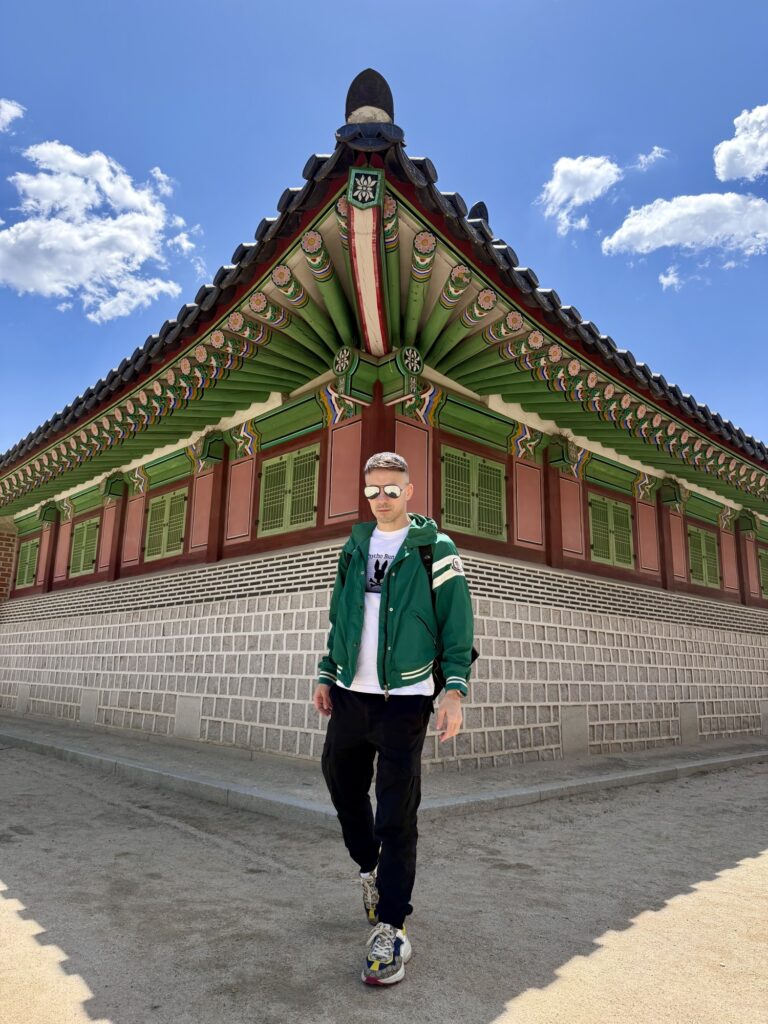
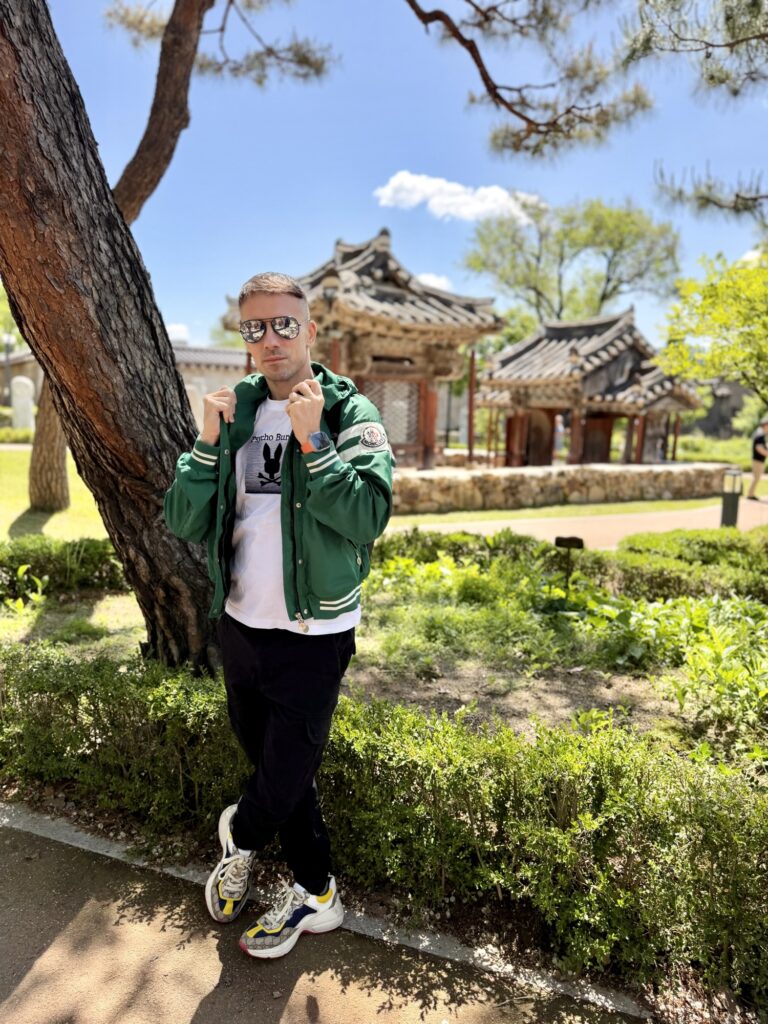
One of our first major stops was Gyeongbokgung Palace, the largest and most iconic royal palace from Korea’s Joseon Dynasty.
Massive palace gates opened into huge courtyards framed by mountains in the background. Traditional Korean rooftops, colorful painted architecture, and quiet stone pathways made the entire place feel cinematic.
Despite being in the middle of a massive modern city, the palace somehow felt calm and grounded.
Tip:
If you want fewer crowds and cooler temperatures, go as early as possible. Seoul gets hot quickly during the day.
Bukchon Hanok Village: Traditional Korea Meets Modern Tourism
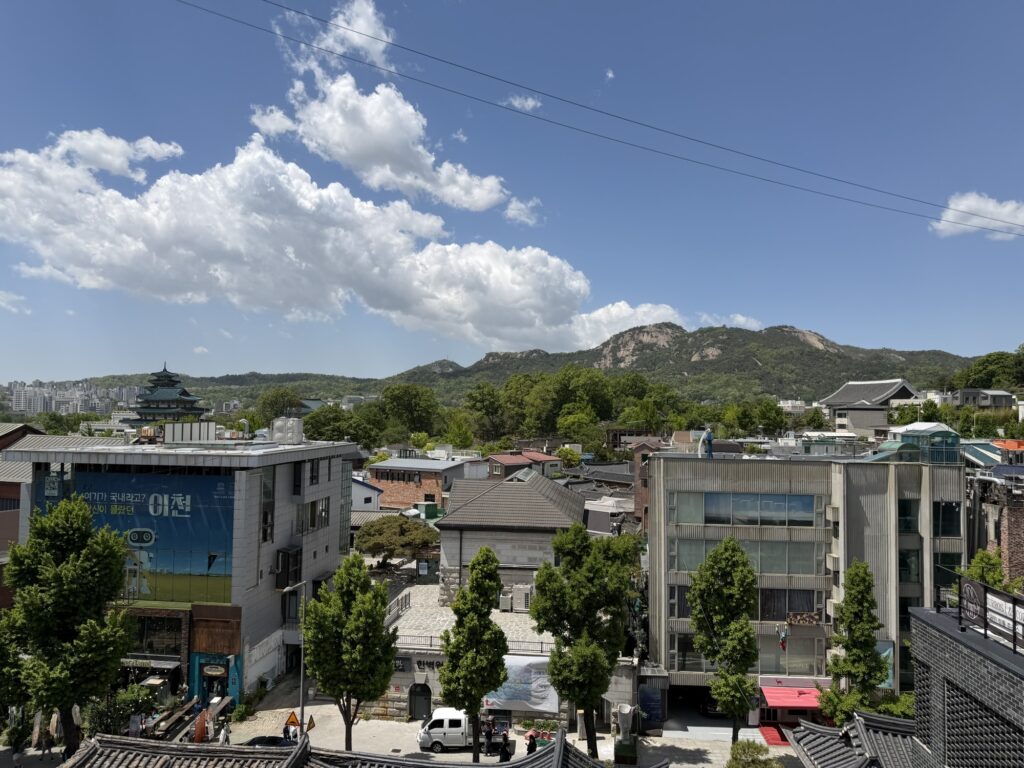
From the palace, we walked through Bukchon Hanok Village, one of Seoul’s most famous neighborhoods.
The area is filled with preserved hanok homes, narrow alleyways, cafes, boutiques, and scenic viewpoints overlooking the city. Yes, it’s touristy. But wandering through the quiet side streets still felt charming and atmospheric.
The contrast between traditional homes and distant modern skyscrapers made Seoul feel especially unique.
Jogyesa Temple & Cheonggyecheon Stream
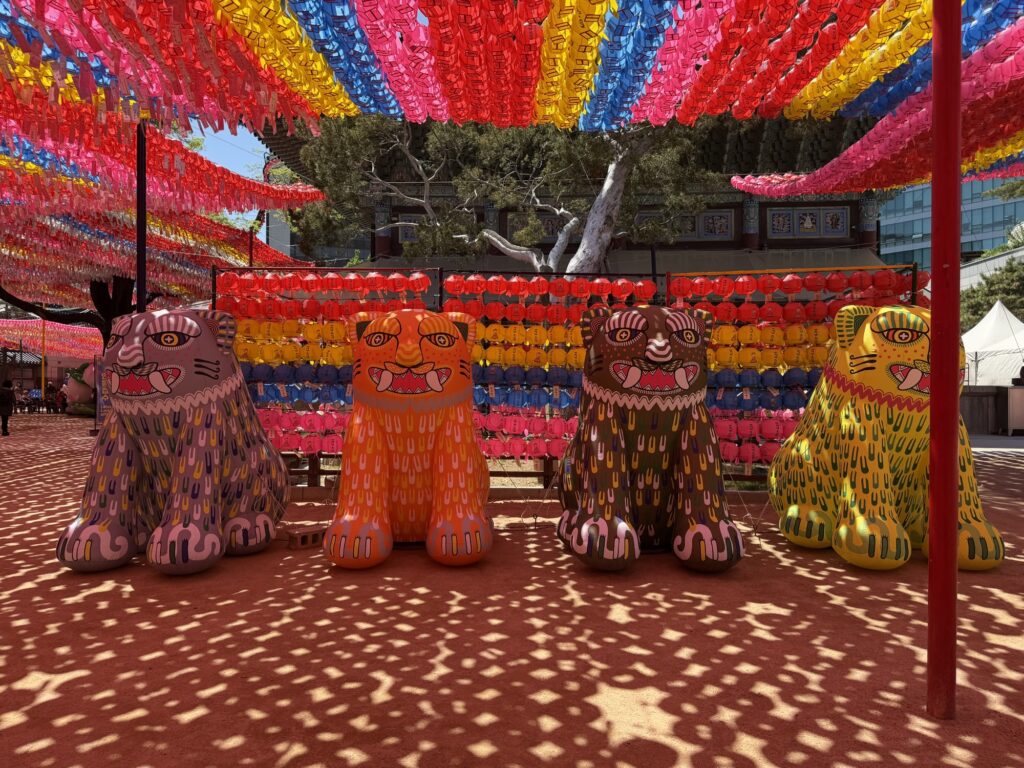
We also visited Jogyesa Temple, one of the most visually stunning Buddhist temples we’ve ever seen.
Bright lanterns hung overhead, giant Buddha statues sat inside intricately decorated halls, and incense drifted through the air while monks quietly moved through the grounds.
At night, walking along Cheonggyecheon Stream became one of the most peaceful moments in Seoul. The illuminated stream cuts through downtown and somehow transforms the city from energetic to calming within minutes.
The DMZ Tour: One of the Most Surreal Experiences of the Trip
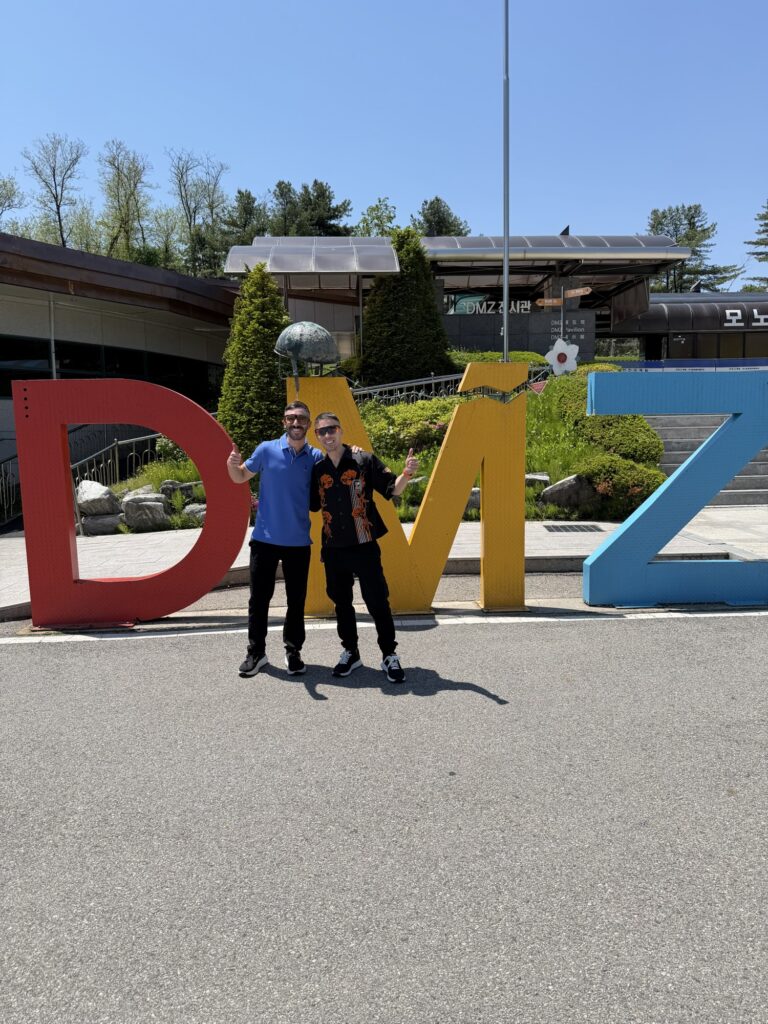
One of the most memorable days in Korea was taking the full DMZ Tour near the North Korean border.
This wasn’t just another sightseeing excursion. It felt tense, fascinating, emotional, and deeply strange all at once.
We visited:
- The Third Tunnel
- Dora Observatory
- Peace Village
- Unification Village
- military checkpoints
- suspension bridges
- and multiple historical exhibits about the Korean conflict.
Walking through the Third Tunnel was especially intense. The tunnel was secretly dug by North Korea and discovered decades ago. Visitors now walk through bent over underground passageways beneath the border.
Then came Dora Observatory, where we literally looked into North Korea through binoculars.
Seeing North Korea in real life after hearing about it your entire life feels surreal in a way that’s difficult to explain.
Tip:
Book the earliest DMZ tour available. Crowds and bus traffic increase dramatically later in the day.
Cambodia: Ancient Temples, Jungle Ruins & Extreme Heat
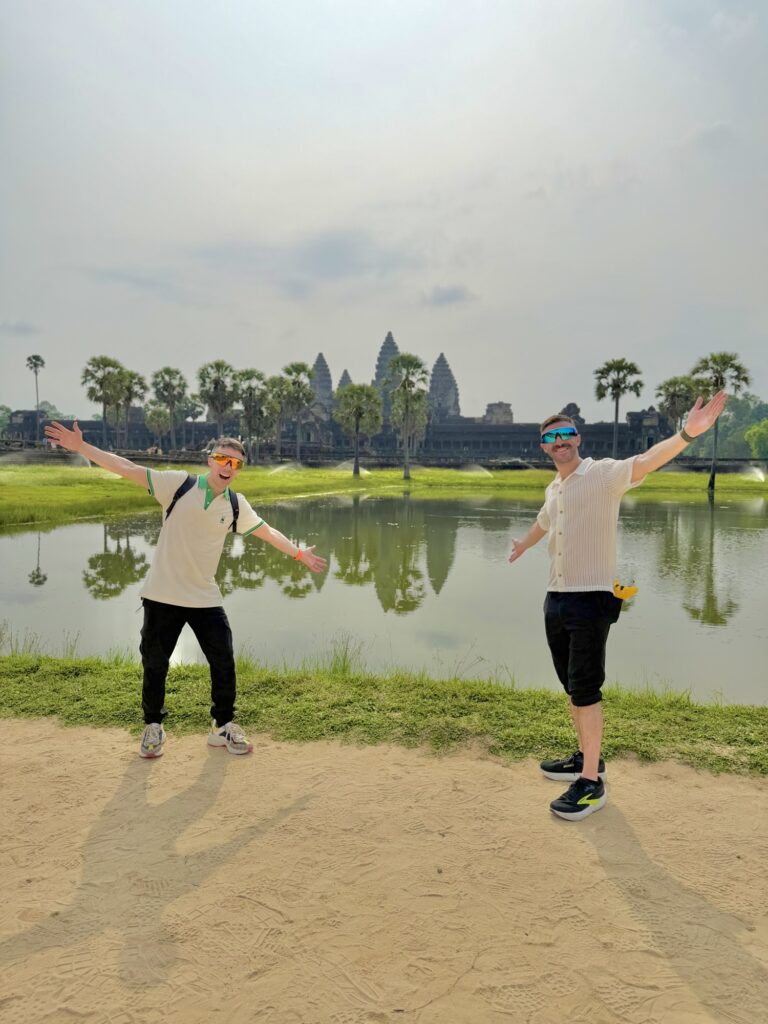
After Seoul, we flew into Siem Reap, Cambodia, where the atmosphere shifted completely.
Cambodia felt:
- hotter
- slower
- more chaotic
- more humid
- and deeply historic.
The second we stepped outside the airport, the heat hit us like a wall.
Angkor Wat: Worth It? Yes. Overrated? Maybe Slightly.
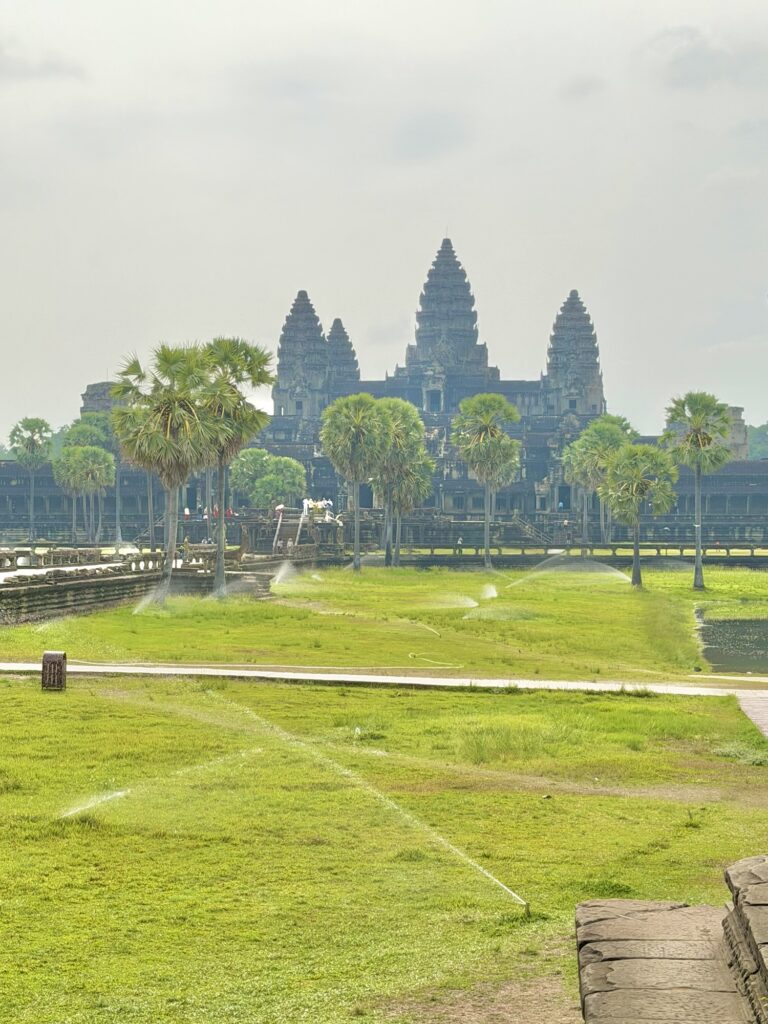
We spent an entire day exploring the massive Angkor temple complex, visiting:
- Angkor Wat
- Bayon Temple
- Ta Prohm
- Terrace of the Elephants
- Baphuon
- Victory Gate
- Srah Srang
- and multiple lesser-known sites.
The sheer scale of Angkor is incredible.
Massive stone faces stare down from towers. Jungle roots grow through ancient walls. Long corridors stretch endlessly into courtyards and hidden chambers.
The atmosphere feels almost mythical.
That said, if we’re being fully honest, Angkor Wat itself didn’t emotionally hit us the way the Taj Mahal did. It was incredibly impressive architecturally, but not quite the transcendent moment we expected.
Still, the overall Angkor experience absolutely deserves to be on most travelers’ bucket lists.
Ta Prohm: The Tomb Raider Temple
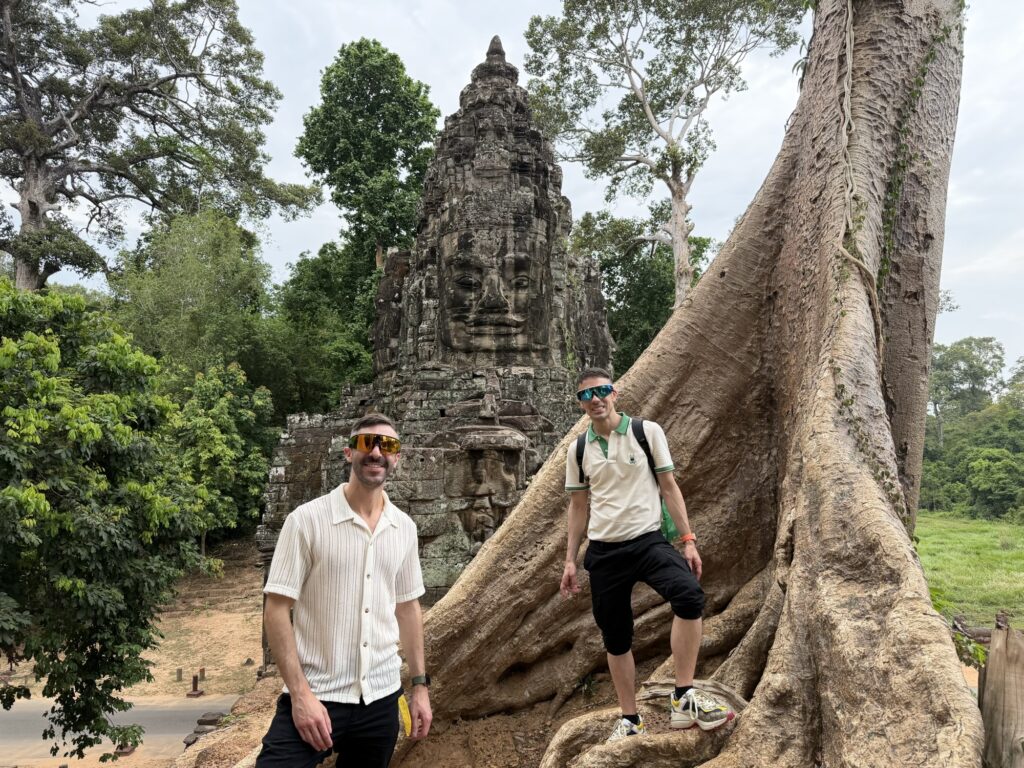
Our favorite temple was probably Ta Prohm, the famous “Tomb Raider Temple.”
Huge tree roots wrapped themselves around temple walls while jungle vegetation slowly reclaimed the ruins. It felt ancient, mysterious, and cinematic in the best possible way.
If Angkor Wat feels grand, Ta Prohm feels atmospheric.
Cambodia Travel Tip: Bring Your Own Food
One major thing we learned quickly in Cambodia:
Bring your own snacks.
Many tour lunches were:
- carb-heavy
- sugary
- lacking vegan protein
- and not especially healthy.
By midday temple touring in 90+ degree humidity, we were starving.
Protein bars and healthy snacks made a massive difference.
Siem Reap Beyond the Temples
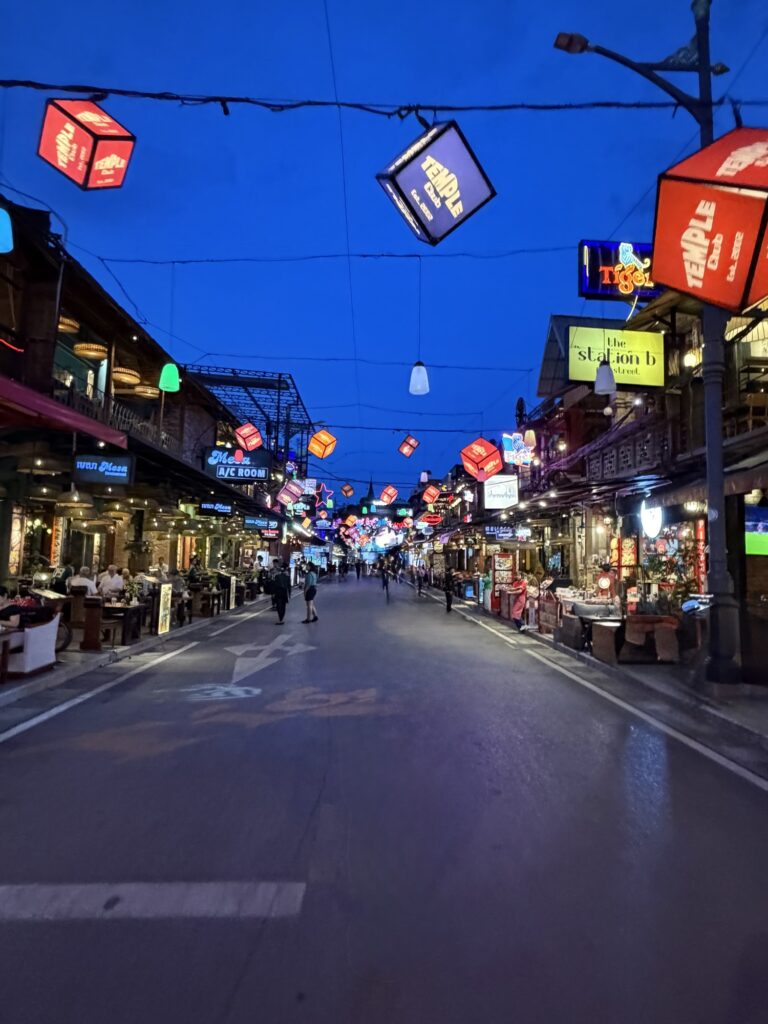
We also ended up loving the streets of Siem Reap itself. After long, hot temple days, the city came alive at night with glowing signs, tuk-tuks, markets, restaurants, and travelers wandering everywhere. The Old Market and Night Market were chaotic in the best way — full of souvenirs, local crafts, food stalls, bargaining, and sensory overload. It was busy, colorful, and a little overwhelming, but also one of the most fun parts of Cambodia. Siem Reap wasn’t just a base for Angkor Wat — the town itself had personality, energy, and a nightlife scene that made it really memorable.
Nepal: Kathmandu Chaos & Spiritual Energy
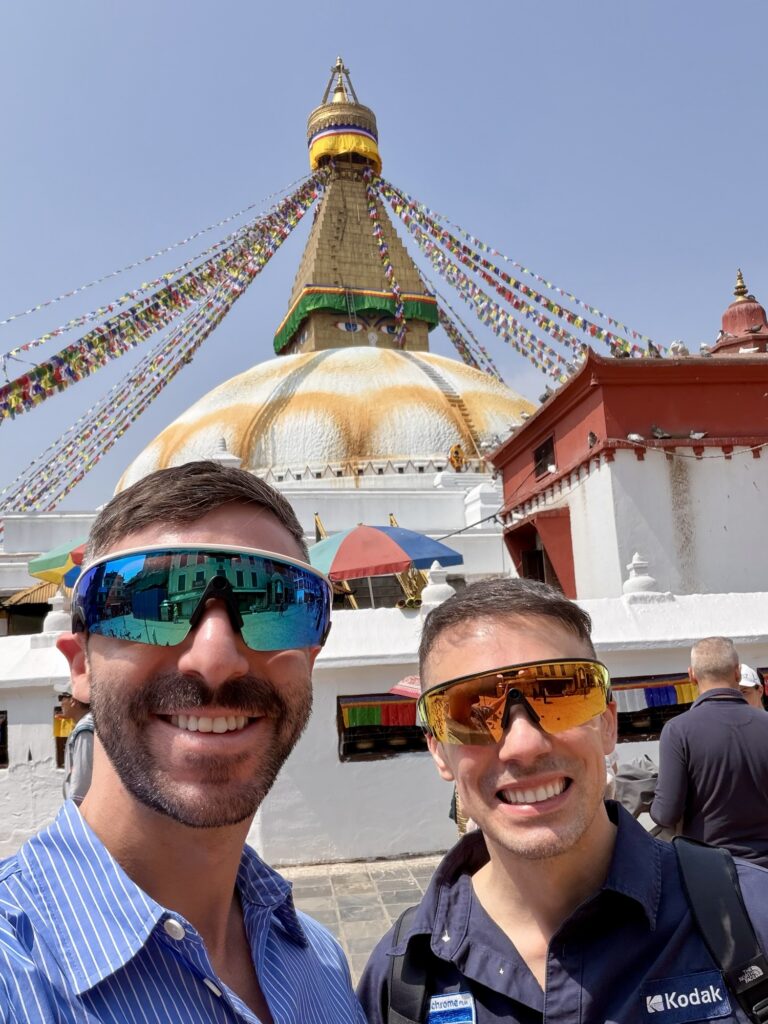
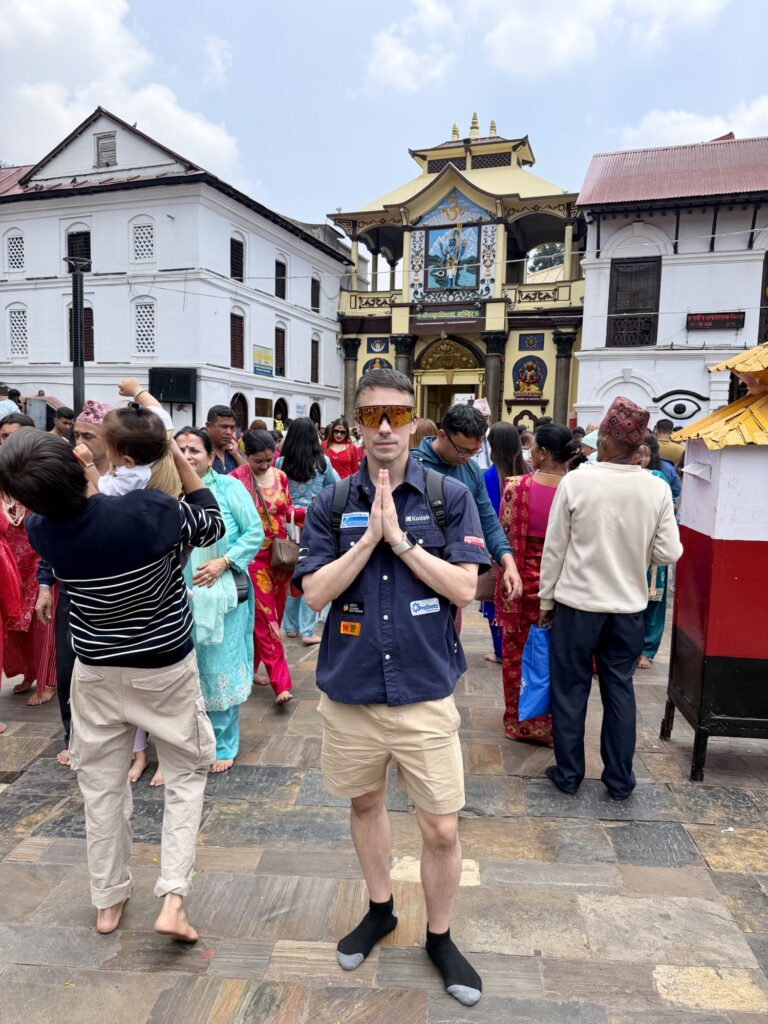
Kathmandu was unlike anywhere else we visited on the trip.
It felt dusty, crowded, spiritual, chaotic, loud, ancient, and alive all at once.
Motorbikes flew through narrow streets while incense smoke drifted from temples nearby.
At first, Kathmandu almost felt overwhelming.
Then eventually, it became fascinating.
Pashupatinath Temple: One of the Most Intense Places We’ve Ever Visited
One of the most powerful experiences of the trip was visiting Pashupatinath Temple, Nepal’s most sacred Hindu temple complex.
Here, cremation ceremonies happen publicly along the Bagmati River.
We saw:
- funeral rituals
- cremation preparations
- and active cremations taking place.
It was emotional, uncomfortable, fascinating, and deeply spiritual all at once.
Western cultures tend to hide death away. Here, it felt integrated into life itself.
Tip:
Hire a guide here. Understanding the rituals and symbolism completely changes the experience.
Kopan Monastery: The Most Peaceful Place in Kathmandu
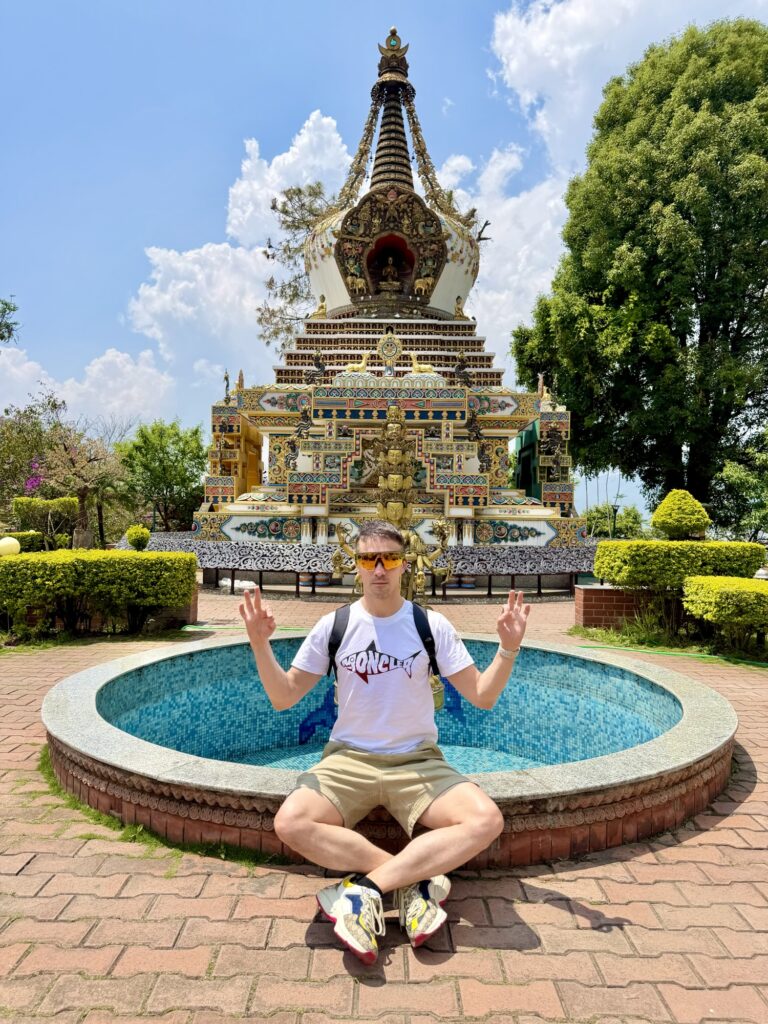
After the chaos of Kathmandu, Kopan Monastery felt like another world.
Located high above the city, the monastery overlooked the valley while prayer flags moved in the wind and monks quietly walked the grounds.
It was peaceful in a way that felt hard to describe.
If you visit Kathmandu, this is one place we would absolutely prioritize.
Mount Everest Scenic Flight: Worth It?
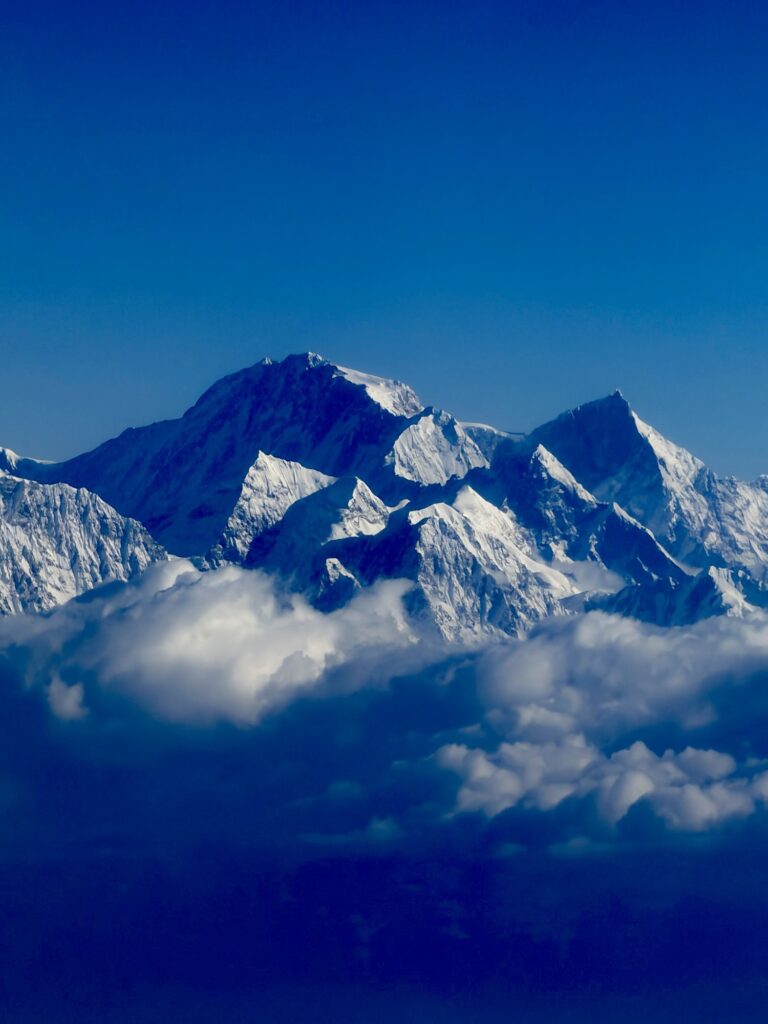
We also took the famous Everest scenic flight.
The flight itself was beautiful:
- endless Himalayan peaks
- snow-covered ridges
- glowing morning light
- and finally, Mount Everest itself.
But honestly?
Seeing Everest from a plane did not emotionally hit us the way we expected.
We both agreed we’d rather someday return for the Everest Base Camp trek, which feels like the more immersive experience.
Still, seeing the Himalayas from above is something we’ll never forget.
The Philippines: Stunning Nature, Difficult Logistics
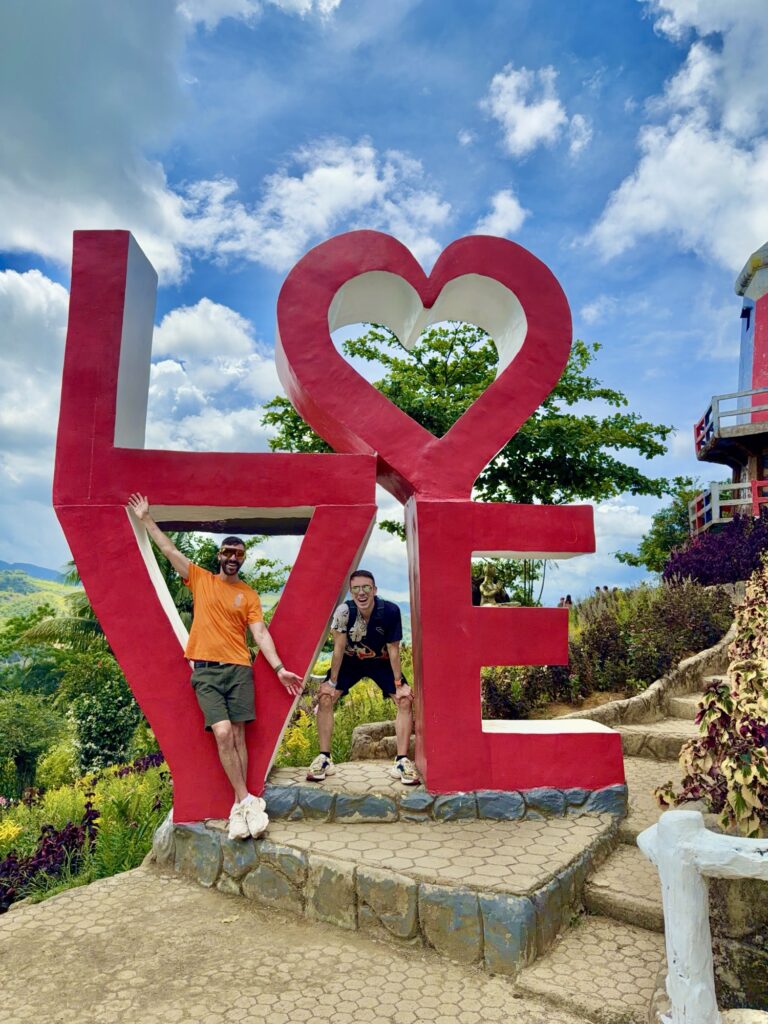
The Philippines ended up being the most mixed part of the trip.
The islands were stunning.
The transportation and city experiences? Much rougher than expected.
Cebu Pacific Chaos
Our Cebu Pacific experience became one of the recurring storylines of the trip.
We dealt with:
- airport changes
- confusing delays
- contradictory emails
- questionable AI customer service
- and midnight flight changes.
At one point, we were chatting with what we thought was a human agent named “Ken Dimps,” who wrote:
“I’m sorry for my incontinence.”
That was the moment we realized we were probably talking to an extremely bad AI chatbot.
El Nido: The Best Part of the Philippines
Thankfully, once we arrived in El Nido, things improved dramatically.
The natural scenery there is genuinely world-class.
Big Lagoon & Secret Lagoon
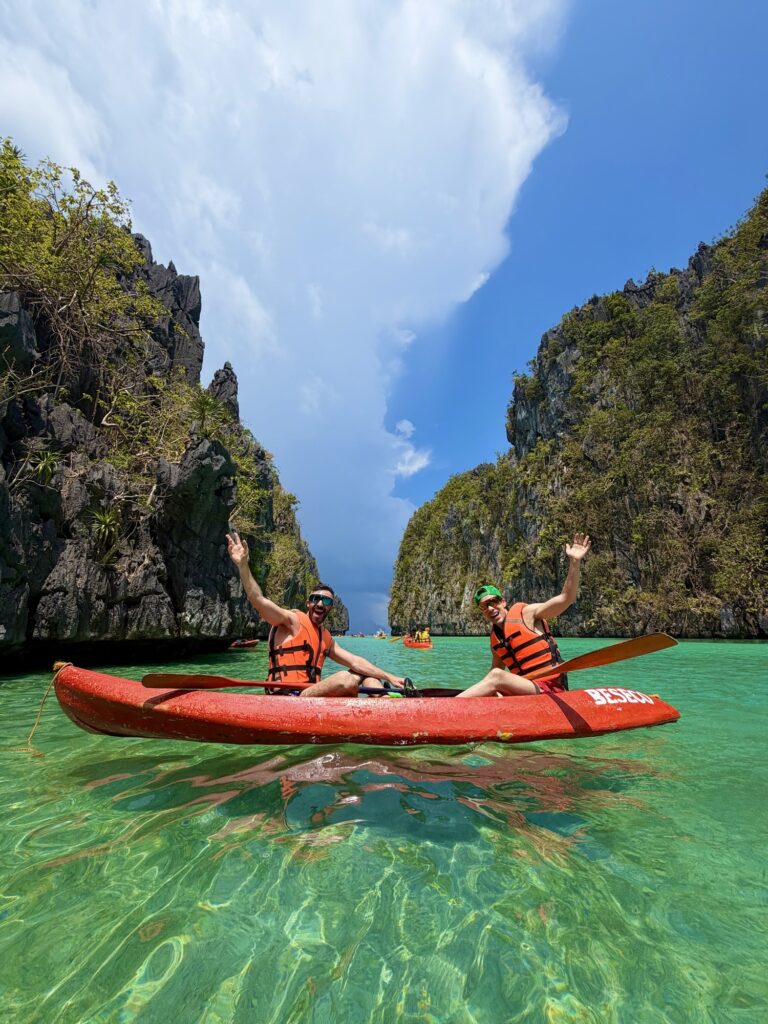
The famous Tour A island-hopping tour brought us through:
- Big Lagoon
- Secret Lagoon
- snorkeling reefs
- Seven Commandos Beach
- limestone islands
- and hidden coves.
The standout was absolutely Big Lagoon.
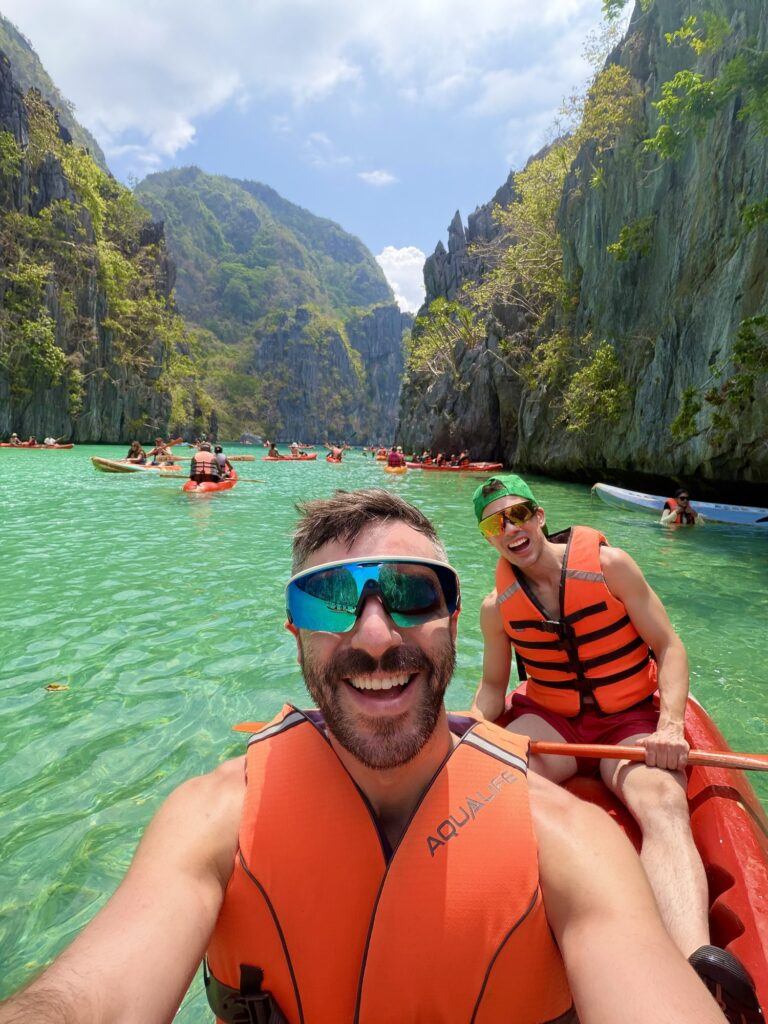
Kayaking through glowing emerald water surrounded by massive limestone cliffs honestly looked fake in person.
It felt like entering another planet.
The Monsoon Storm Boat Ride
Then everything changed.
On the way back from the final island stop, a tropical storm rolled in almost instantly.
Rain slammed sideways into the boat while everyone scrambled to cover phones and bags with garbage bags handed out by the crew.
The boat ride back felt less like tourism and more like survival.
And honestly? That chaos somehow became part of what made the day unforgettable.
Lio Beach vs Nacpan Beach
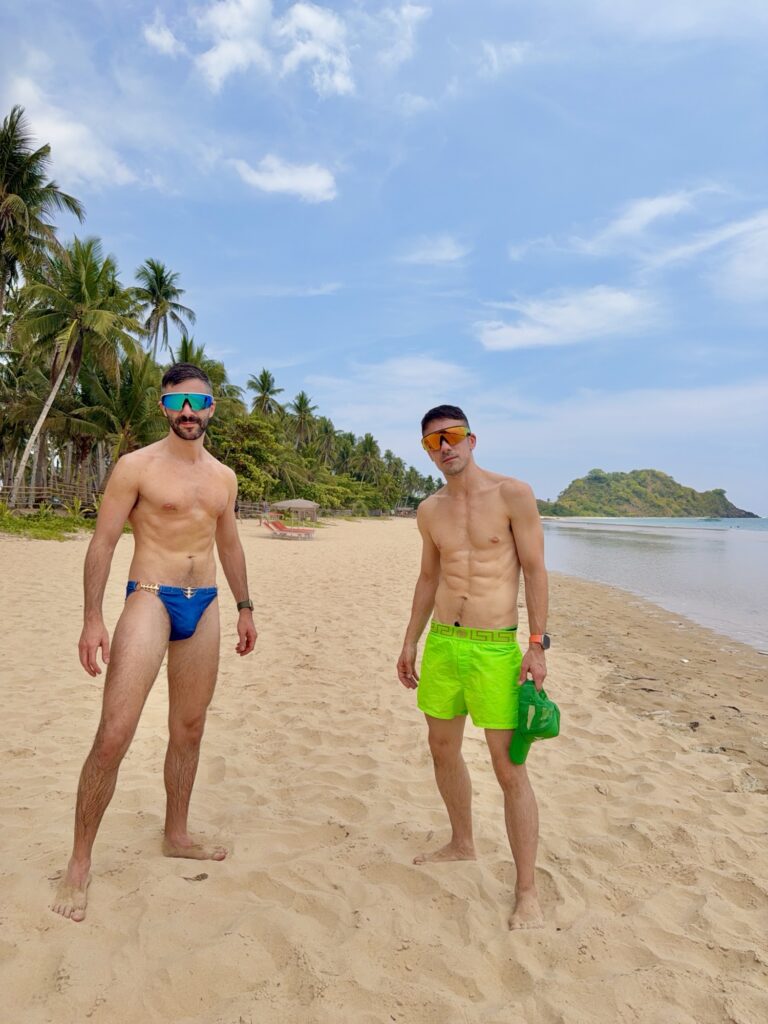
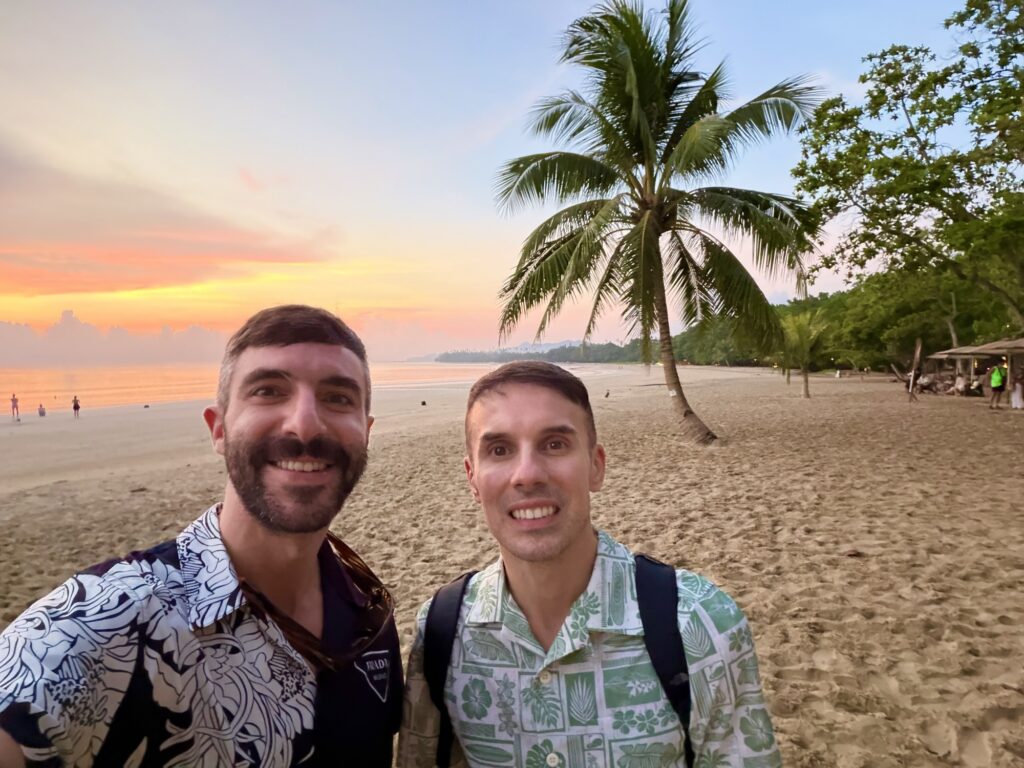
Most people hype up Nacpan Beach, but honestly?
We preferred Lio Beach.
Lio felt:
- cleaner
- calmer
- more upscale
- more organized
- and less chaotic overall.
The sunsets there were incredible too, especially during stormy evenings when lightning flashed behind pink and purple skies.
Best Vegan Food of the Trip
One of the biggest surprises of the trip was how good some of the vegan food ended up being.
Best Overall:
PLNT + HRVST — El Nido
The tofu dishes, smoothie bowls, quinoa bowls, desserts, and atmosphere were all excellent.
Best Healthy Food:
Taste El Nido
Fresh smoothie bowls and tofu bowls that actually felt nourishing.
Biggest Surprise:
Potluk Pantry — Cebu
The vegan tofu sisig and curry were genuinely fantastic.
Cebu Highlands: Surprisingly Beautiful
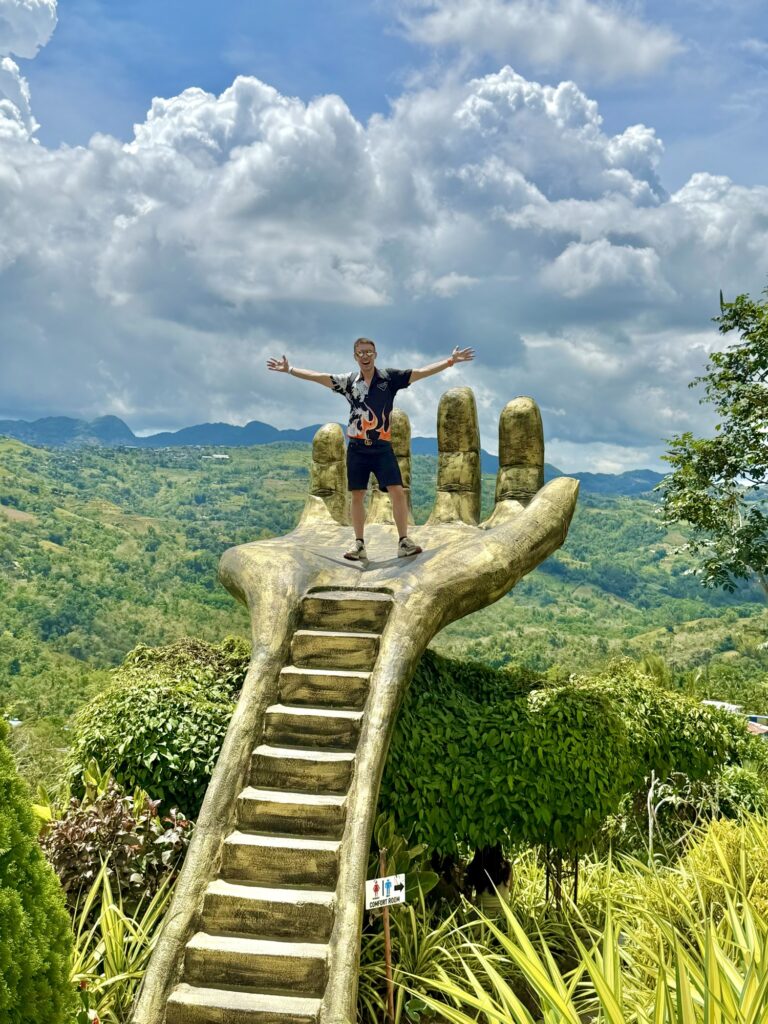

Cebu City itself didn’t really connect with us emotionally.
But the Cebu Highlands absolutely surprised us.
Using a Klook private driver ended up being one of the smartest decisions of the trip.
We visited:
- Temple of Leah
- Sirao Garden
- Buwakan ni Alejandra
- JVR Island in the Sky
The mountain scenery, flower gardens, giant viewpoints, and panoramic overlooks made it feel completely different from the city below.
Tip:
If you’re doing multiple Cebu highland stops, hire a Klook driver. It’s inexpensive and dramatically easier than trying to organize transportation yourself.
Final Thoughts: Was It Worth It?
Absolutely.
This trip was:
- exhausting
- chaotic
- beautiful
- spiritual
- frustrating
- hilarious
- overwhelming
- and unforgettable.
We saw:
- Mount Everest
- Angkor Wat
- hidden lagoons
- Buddhist monasteries
- tropical islands
- royal palaces
- and some of the most beautiful sunsets we’ve ever experienced.
Not every destination was perfect.
Not every meal was amazing.
Not every city impressed us.
But that’s part of what made the journey feel real.
And honestly, those are usually the trips that stay with you the longest.
